Browse pavement repair
Browse pavement repair
Blog Article
Dependable Paving Contractor for Resilient Driveways and Roads
Appointing a reliable surfacing expert is vital for creating durable driveways and roads. Careful deliberation secures durability and quality standards in paving projects. Variables such as qualifications, customer opinions, and professional skills critically determine the ultimate result. Comprehending the intricacies of expenses and subsequent maintenance can substantially elevate the decision framework. When building owners weigh their possibilities, key essential matters require rigorous assessment to secure a successful investment. What factors should they center on during their pursuit?
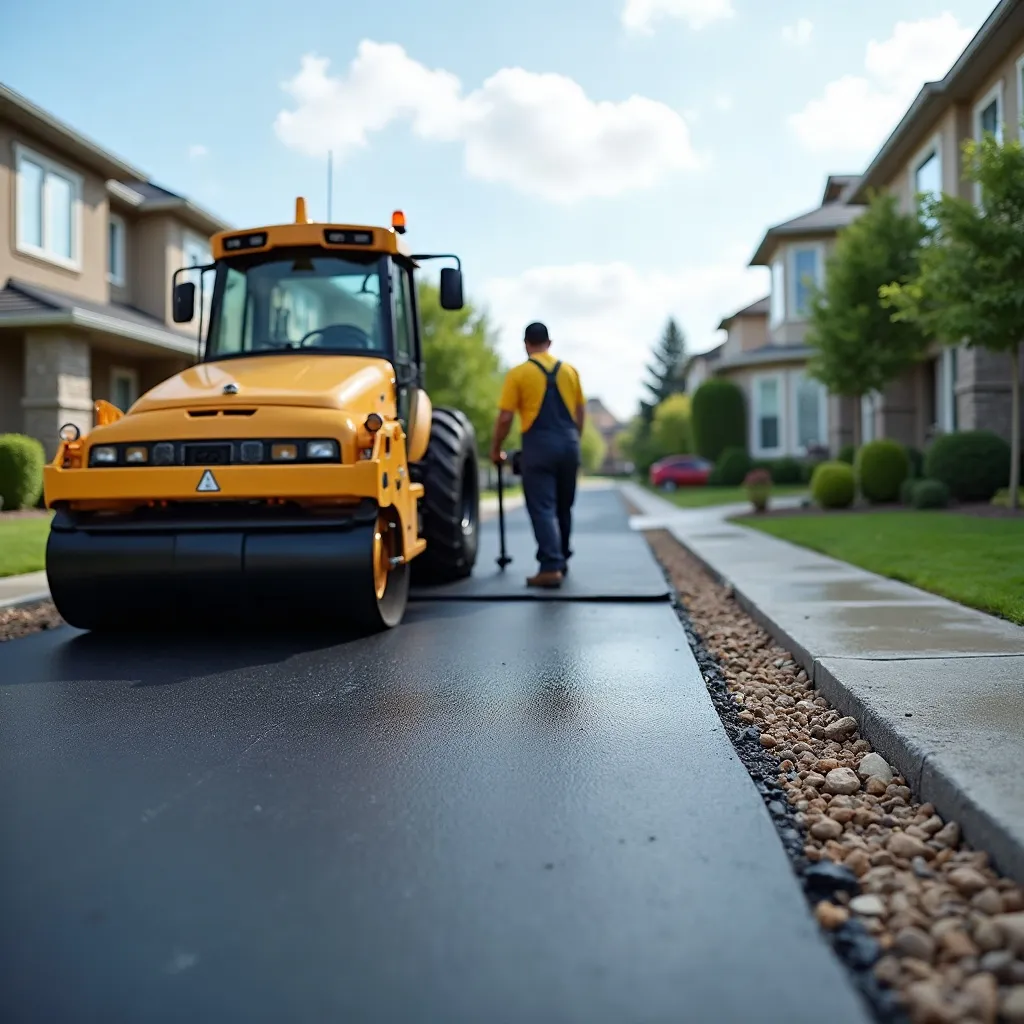
Tips for Choosing an Experienced Paving Contractor
When choosing an experienced paving contractor, one might question what key factors to assess. First, it is essential to check the contractor's qualifications, including licenses and coverage, to confirm compliance with local codes and safeguard against risks. Next, examining customer testimonials and past project portfolios can provide understanding into the contractor's workmanship and dependability.
Moreover, obtaining multiple estimates can enable you to assess the going price for services and detect any problem areas, like exceptionally low bids. Experience in specific paving types, such as residential driveways or commercial parking lots, is an important consideration because expertise usually leads to better results. Communication are also needed; a contractor must be attentive and willing to address any questions or concerns. Finally, considering warranties provided can signal the contractor’s certainty in their work and their dedication to customer satisfaction.
Optimal Solutions for Your Driveway
When selecting materials for a driveway, homeowners frequently assess the strengths and weaknesses of asphalt and concrete. Each option presents unique characteristics that can impact durability and cost. Additionally, gravel provides a more economical alternative but comes with its own set of benefits and drawbacks.
Asphalt versus Concrete Selections
Which substance type offers the greatest combination of durability and price for driveways: asphalt or concrete? Asphalt is typically selected for its lower initial cost and quicker installation. It typically gives a smooth surface that can tolerate harsh weather conditions, establishing it a practical choice for many homeowners. Conversely, asphalt requires periodic attention, including caulking and resurfacing, to prolong its longevity.
Similarly, concrete is noted for its longevity and minimal maintenance requirements. With proper installation, concrete driveways can last over 30 years. Additionally, concrete affords a variety of design options, including embellished surfaces. While the initial investment is steeper, the reduced maintenance needs can render it a cost-effective solution over time. Ultimately, the choice depends on individual preferences and budget.
Gravel Pros and Cons
Asphalt and concrete are commonly used for driveways, but gravel also provides a viable alternative with varied benefits and cons. A primary advantage of gravel is its economic advantage; it usually requires a lower initial investment compared to asphalt and concrete. In addition, gravel allows for excellent drainage, helping to reduce the risk of water pooling. That said, it is not without challenges. Gravel driveways necessitate regular maintenance, such as replenishing material and raking to keep the surface even. Moreover, erosion can pose problems, and gravel may be less stable in high-traffic areas. Ultimately, the choice to opt for gravel should weigh both its affordability and the homeowner’s readiness to undertake continual upkeep.
Evaluating Customer Reviews: What to Look For
How might prospective customers assess the quality of a paving contractor through customer reviews? Evaluating these reviews requires attention to specific factors. First, clients should look for overall ratings; a high average score often indicates satisfactory service. Next, the number of reviews is vital; a larger quantity provides a more reliable picture of the contractor's performance.
Clients should also investigate the details of individual reviews. Complimentary feedback about efficiency, communication, and work quality is required. Additionally, consistent patterns in negative reviews, such as unsatisfactory assistance or project delays, can denote potential issues.
Furthermore, responses from the contractor to reviews exhibit their professionalism and allegiance to customer satisfaction. To conclude, assess reviews from various sources to establish a well-rounded perspective. By zeroing in on these points, potential customers can reach well-founded determinations concerning their paving contractor.
Important Queries to Pose to Your Paving Contractor
When selecting a asphalt professional, asking the right questions can significantly influence the final result. It is vital to question the professional background and the kinds of work they have completed. Understanding their method for selecting materials and applying techniques can also provide insight into the standard of craftsmanship to expect.
Prospective clients should inquire regarding insurance and licensing to ensure the contractor satisfies legal requirements and is safeguarded from possible risks. Additionally, talking about the project completion timeline and any possible postponements is vital.
Seeking warranties on both materials and workmanship can safeguard your investment. Finally, it's helpful to ask for references or examples of previous projects to evaluate the contractor's dependability and craftsmanship. These inquiries not only clarify goals but also form a basis for productive communication throughout the project.
Asphalt Paving Expenses: What to Predict
Understanding driveway expenses is important for homeowners thinking about a project. Several considerations, including selection of materials and rates, substantially impact the overall expense. Furthermore, evaluating long-term value can help in making informed decisions about pavement expenditures.
Elements Modifying Asphalt Prices
Several factors influence paving expenses, making it critical for property owners to grasp the variables at play. One significant aspect helpful tips is the size of the area to be paved; larger spaces typically incur higher costs due to increased material and labor requirements. Additionally, site conditions, such as soil quality and drainage, can affect pricing, as extensive preparation may be needed. Local labor rates also play an important role; areas with a higher cost of living often have elevated labor expenses. Moreover, the complexity of the project, including intricate designs or existing structures, can lead to added costs. Finally, seasonal factors may influence pricing, as contractors often adjust rates based on demand fluctuations throughout the year.
Material Alternatives and Pricing
Multiple paving options greatly impact installation costs, each offering unique benefits and variable pricing. Asphalt, known for its affordability and prompt installation, typically ranges from $3 to $5 per square foot. Concrete, although more sturdy, can cost between $4 and $8 per square foot, depending on finish and thickness. Pavers, made from brick or stone, furnish design appeal but usually range from $10 to $20 per square foot, including installation. Moreover, permeable paving options, which facilitate water drainage, may cost more due to their specialized materials and installation techniques. Homeowners should examine these options carefully, balancing initial costs with preferred resilience and practical needs for their driveways and roads.
How Warranties and Ongoing Services Matter
When selecting a reliable paving contractor, the necessity of warranties and aftercare services must not be disregarded. Warranties act as a protection for clients, ensuring that any issues in materials or workmanship are fixed without additional costs. A reputable contractor generally provides an broad warranty that demonstrates their belief in the quality of their work.
Supplementing warranties, aftercare assistance function as an essential role in maintaining the longevity of paved surfaces. Periodic maintenance, such as sealing and crack repairs, can mitigate more extensive damage and costly repairs down the line. A contractor that extends perpetual assistance reflects a devotion to client fulfillment and the endurance of their work.
Therefore, guarantees and maintenance support not only increase the value of the primary expenditure but also supply peace of mind for homeowners and businesses alike. A dependable contractor concentrates on these features, developing loyalty and sustained partnerships with clients.
Popular Inquiries Asked Often
How much time Does the Paving Process Typically require?
Paving work usually takes one to three days, determined by the project's size and intricacy. Components including weather, area preparation, and material choice can also affect the complete duration considerably.
What Weather Factors Impact Paving Work?
Weather conditions greatly influence paving work. Rain, snow, and extreme temperatures can postpone projects, while humidity levels affect the curing process. Ideal conditions, typically dry and mild, guarantee better adhesion and durability of the pavement.
What's the Best Way to Preserve My New Driveway?
A new driveway requires frequent washing, sealing every few years, and repairing cracks quickly to stay in good condition. Avoiding heavy loads and employing proper snow clearing methods are important for prolonging its lifespan and preserving its appearance.
Can you find environmentally responsible paving choices these days?
Absolutely, numerous sustainable paving options are obtainable, including permeable pavers, reclaimed asphalt, and concrete alternatives constructed with eco-friendly materials. These selections work to reduce environmental burden while providing resilient and functional surfaces for pathways and driveways.
Do I Require a Permit for Pavement Work?
Frequently permits are needed for driveway paving, in accordance with local guidelines. Homeowners should get in touch with their municipal planning department to determine detailed specifications, ensuring adherence and circumventing potential fines or project delays during project execution.
Report this page